

Anti-Freeze Valves vs Glycol: Which is Better for Protecting Your Heat Pump?


Thinking about a heat pump?
If you’re wondering whether a heat pump could work in your home, we can give you a quick estimate and talk it through. No jargon, no pressure.
Heat pumps need protection in cold weather to avoid damage caused by freezing temperatures.
When heat pumps are on and heating your home, you won’t have a problem as the water circulating in the pipes will be warm.
However, if you have a power cut, switch off your heat pump accidentally or because you are away for a long period of time - you’ll want protection. When water inside the pipes freezes, it can expand and cause serious damage to the system, leading to costly repairs or even replacement.
There are two common methods to protect heat pump systems from freezing: anti-freeze valves and mix in glycol with the water circulating through the system. Both methods have their pros and cons, and understanding the differences can help you choose the right solution for your home.
What Are Anti-Freeze Valves?
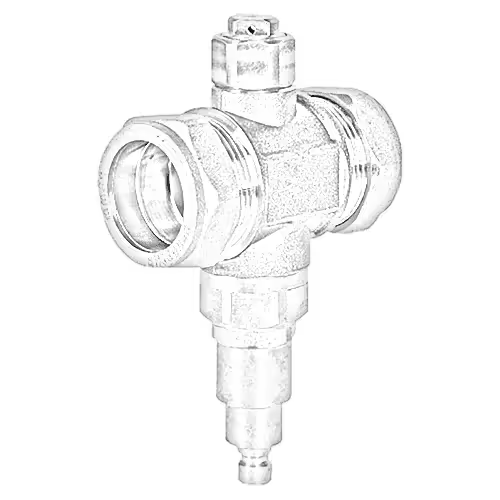
Anti-freeze valves, also known as pressure relief valves or freeze protection valves, are devices that automatically drain water from your heat pump system when the temperature drops too low. They are designed to prevent water in the system from freezing by releasing it before it can expand and cause damage.
How Anti-Freeze Valves Work
When the temperature of water in your central heating pipes reaches a certain threshold (normally about 3 degree Celsisus), the anti-freeze valve opens and drains water from the vulnerable parts of the system. This prevents the water from freezing and causing damage to the heat pump. Anti-freeze valves are fitted outside so any water that is released drains away.
Advantages of Anti-Freeze Valves
- Cost-Effective: Anti-freeze valves are generally less expensive than adding glycol to the system
- No Chemicals: Since anti-freeze valves simply drain water from the system, there’s no need to add chemicals or special fluids
- Low Maintenance: Once installed, these valves require little to no maintenance and operate automatically. They typically last around 7 to 8 years before requiring maintenance
- Higher efficiency: your system runs on water which is better at transferring heat than glycol so your heat pump will run at a higher efficiency and you’ll typically need smaller pipes (as more heat can be transferred)
Drawbacks of Anti-Freeze Valves
- Water Loss: Each time the valve activates, water is lost from the system, which means you’ll need to refill the system if the water is released
- Limited Protection: Anti-freeze valves are ideal for climates where freezing temperatures are infrequent. However, in areas with prolonged freezing weather (more than a couple of days - which is really rare in the UK), as they don’t actively prevent freezing but rather react to it
What is Glycol?
Glycol is an anti-freeze fluid mixed with water in the heat pump system to prevent the water from freezing. This solution lowers the freezing point of the circulating fluid, ensuring that it remains in a liquid state, even in freezing temperatures. Basically its like anti-freeze you put in your cars wind screen wiper fluid.
How Glycol Works
By mixing glycol with the water in your heat pump system, you create a solution that won’t freeze at typical winter temperatures. This allows the system to continue operating without the risk of frozen pipes or components.
Types of Glycol: There are two common types of glycol: ethylene glycol and propylene glycol. Ethylene glycol is more efficient but toxic, whereas propylene glycol is safer and more environmentally friendly.
Advantages of Glycol
- Consistent Freeze Protection: Glycol offers reliable freeze protection even in areas with severe or prolonged freezing temperatures.
- No Water Loss: Unlike anti-freeze valves, which release water from the system, glycol keeps the system sealed, preventing the need to refill after cold weather.
Drawbacks of Glycol
- Higher Upfront Costs: Adding glycol to a heat pump system can be more expensive initially due to both the cost of the fluid and the installation process. For typical systems you’re adding £200-400 onto the cost
- Maintenance: Over time, glycol can degrade, reducing its effectiveness. This requires periodic checks and potentially flushing and replacing the glycol to maintain freeze protection.
- Efficiency Loss: Using glycol can slightly reduce the efficiency of the heat pump system because glycol isn’t as effective at transferring heat as pure water.
- System changes: if in the future you add or change radiators the system will need to be drained and refilled with new glycol to restore the anti-freeze protection.
Maintenance and Environmental Impact
Whether you choose anti-freeze valves or glycol, ongoing maintenance is key to ensuring your system remains protected.
- Glycol Maintenance: Over time, glycol solutions can become less effective due to breakdown or dilution. It’s important to regularly test the fluid and replace it when necessary to maintain adequate freeze protection. This can add to long-term maintenance costs
- Environmental Considerations: While propylene glycol is a safer choice due to its low toxicity, ethylene glycol is more toxic and poses environmental hazards if spilled or leaked. Always ensure proper handling and disposal of glycol solutions to minimise environmental impact.
Which Option is Best for You?
If you chose dwellow to install your heat pump we will discuss with you how you use your home and recommend the best option for your home. We’ll also check what the manufacturer of the heat pump recommends to ensure your warranty remains valid.
FAQs About Anti-Freeze Valves and Glycol
How often do anti-freeze valves activate?
Very rarely. Your heat pump if switch on will automatically keep the water in your pipes above the level where anti-freeze valves typically activate. They are there though in case you have a prolonged power cut (and the water cannot be heated) or if you accidentally switch off your heat pump at the mains.
How often do I need to replace glycol?
Glycol should be tested and potentially replaced every few years, depending on the system and how often it’s exposed to extreme temperatures. Degraded glycol can lead to reduced freeze protection and should be refreshed to maintain performance.
Does using glycol affect my heat pump’s efficiency?
Yes, using glycol can slightly reduce your system’s efficiency because it doesn’t transfer heat as effectively as pure water. To counteract this your heat pump will need to run harder or we will need to increase the pipework that transfers heat around your central heating system (which increases cost).
Is propylene glycol safe for the environment?
Propylene glycol is considered safe for use in homes and is much less toxic than ethylene glycol. However, it’s still important to handle and dispose of it properly to avoid environmental damage.
Can I switch from anti-freeze valves to glycol?
Yes, switching from anti-freeze valves to glycol is possible, but it requires draining the system and flushing it before adding the glycol mixture. A professional installer can help with this process. You’ll also need to check with your heat pump manufacturer if adding glycol to your system is compatible with the warranty.
If you have more questions, please drop us a line at hello@dwellow.co.uk or give us a call on 0330 822 2795.
