

9 Things Every Homeowner Should Know Before Installing an EV Charger
%20(1).avif)

Home EV chargers explained
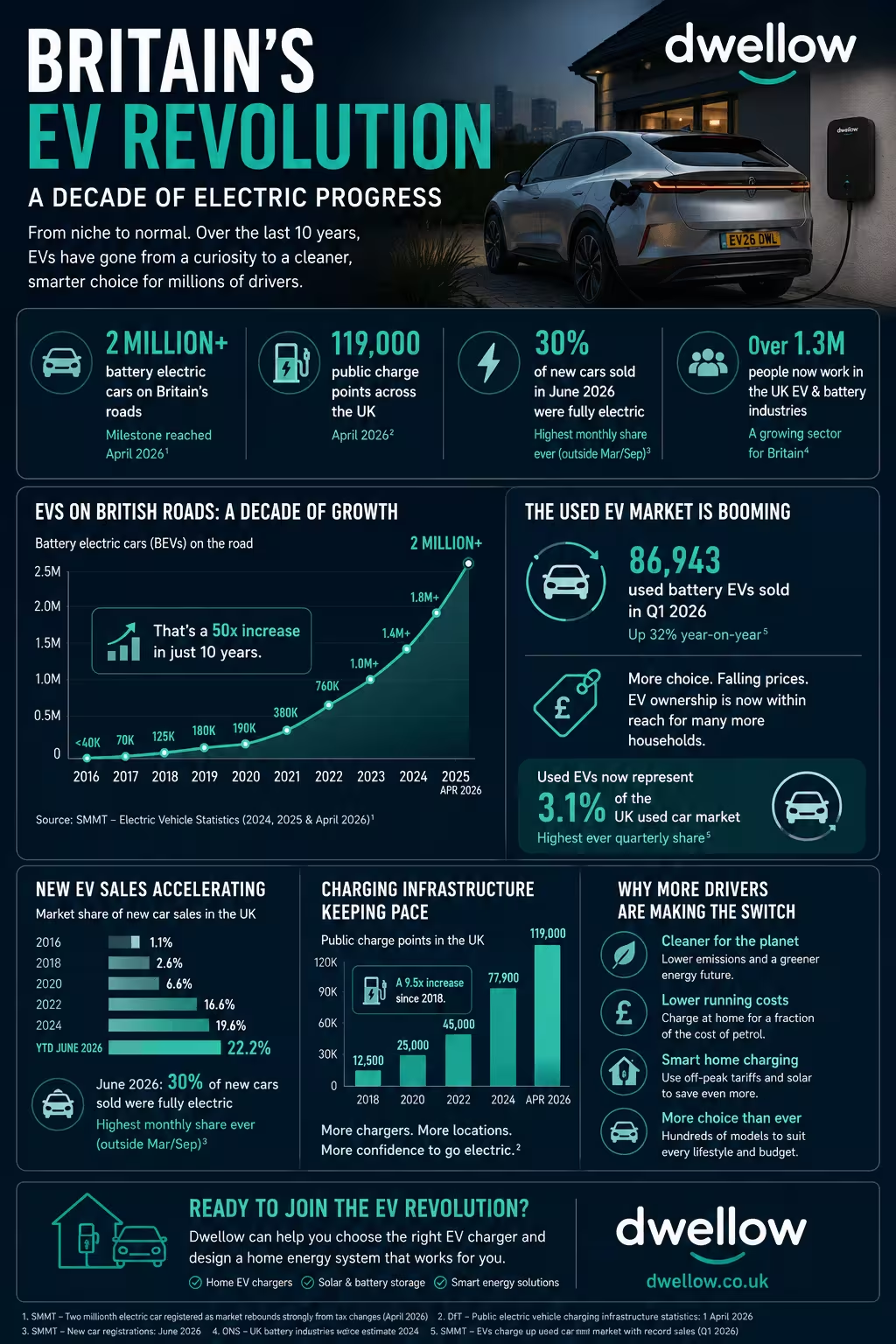
Britain now has more than 1.4 million home EV chargers, and with new and second-hand electric vehicles soaring in popularity as fuel prices rise, thousands more homeowners are considering installing one of their own.
But choosing an EV charger isn't quite as straightforward as picking a model online and booking an installer.
The right decisions now can reduce installation costs, save money every time you charge and make sure your charger works seamlessly with future technologies such as solar panels, battery storage and smart electricity tariffs.
At Dwellow, we help homeowners design smarter home energy systems every day, fitting heat pumps, battery storage, EV chargers and solar panels nationwide. Here are the nine things we think everyone should know before installing an EV charger.
1. Don't just think about the charger – think about how you'll power it
An EV charger is only one piece of the puzzle.
Charging at home is already far cheaper than relying on public rapid chargers, but the biggest savings come when you generate your own electricity with solar panels. During spring and summer, many homeowners can charge their car using energy produced on their own roof, dramatically reducing the cost of every mile they drive.
As more homes install solar, EV chargers are becoming part of a much bigger home energy system rather than a standalone purchase.
Get a free solar estimate in two minutes here.
2. The location of your charger matters
Where your charger is installed will affect how easy it is to use every day.
Before installation, think about:
- Where you normally park
- Whether you'll own another EV in future
- Cable lengths
- Avoiding trip hazards
- How convenient it will be to plug in every evening
A little planning now can prevent expensive changes later.
3. Faster isn't always better
Many homeowners assume they need the fastest charger available.
In reality, a 7kW smart charger is ideal for most UK homes, comfortably charging most electric cars overnight while you sleep.
Higher-powered chargers often require more electrical upgrades but provide very little additional benefit for everyday driving.
4. Make sure your home's electrics are ready
Every property is different.
Most homes can accommodate a standard 7kW charger, but older properties or homes with high electricity demand may need additional work before installation.
A professional survey will check your:
- Consumer unit
- Earthing arrangements
- Incoming electricity supply
This ensures your charger is safe, compliant and designed to work reliably for years to come.
5. Your electricity tariff could save you more than your charger
Many homeowners spend hours comparing EV chargers but very little time comparing electricity tariffs.
That's a mistake.
Dedicated EV tariffs can offer significantly cheaper overnight electricity, allowing you to charge automatically during off-peak hours.
Popular options include:
- Octopus Intelligent Go
- OVO Charge Anytime
- EDF GoElectric
- E.ON Next Drive
When combined with solar panels, these tariffs can dramatically reduce the cost of charging throughout the year.
6. Tethered or untethered?
This often comes down to convenience.
Untethered chargers look tidier because the cable can be removed, but most EV owners charge so frequently that they leave the cable connected anyway.
A tethered charger also removes an extra connection point, making charging simpler and potentially more reliable as part of your daily routine.
%20(1).avif)
7. Choose a charger that's ready for the future
Almost every charger is marketed as "smart" today.
But not all smart chargers are equally intelligent.
Look for a charger that can integrate with home energy management software, like Dwellow One, allowing it to automatically decide the cheapest and most efficient time to charge based on:
- Your electricity tariff
- Solar generation
- Battery storage
- Household energy use
The less you have to think about charging, the better.
8. Think about your whole home energy system
If you're planning to install solar panels or battery storage now, or in the future, it's worth thinking about how everything will work together.
Many homeowners assume different technologies will automatically communicate with one another.
Unfortunately, that's not always the case.
Without proper integration, your EV charger and battery could end up competing for the same surplus solar energy instead of working together intelligently.
Choosing compatible products now can make your entire home energy system more efficient for years to come.
9. Don't overlook appearance
Your EV charger is likely to be fixed to your home for the next decade or more.
It's worth thinking about how it looks as well as how it performs.
Many homeowners now choose chargers with premium finishes or carefully position them alongside planting, fencing or purpose-built enclosures to help them blend into the property.
Make your EV charger part of a smarter home
The biggest mistake homeowners make is thinking of an EV charger as a standalone purchase.
In reality, it works best as part of a connected home energy system alongside solar panels, battery storage and smart electricity tariffs. When these technologies work together, managed by a single piece of software like Dwellow One, you can generate, store and use more of your own electricity, reducing running costs while making your home more energy efficient.
If you're considering installing an EV charger, our experts can help you choose the right charger, assess your home's electrical supply and design a system that's ready for the future.
Get your free personalised solar or heat pump quote from Dwellow today.
